Landscape and Nature Photography

Still Sunrise
Llynnau Mymbyr, Capel Curig
Galleries

Snowdonia 2024

Yorkshire Dales

Harris & Lewis 2025


Snowdonia 2024
A trip to Snowdonia national park in North Wales provided a wealth of subjects to photograph. From the slate mines of Dinorwic, to waterfalls in the Fairy Glen, and views of Snowdon, Wales' highest mountain, in mist and dawn light, my visit exceeded all expectations, giving rewards one after another.I found details in rocks and slate, and patterns in lichen, old machinery and discarded, twisted and rusty metal, great valleys carved during the ice age, surrounded by towering mountains feeding the many streams and rivers we explored. The following are a few of my favourite photographs from my travels.

Reclamation
Cwmorthin, Blaenau Ffestiniog
Still Waters Run Deep
Llyn Padarn, Caernarfon
Sunset Over Irish Sea
Dinorwic
The Foot Of Man
Dinorwic Quarry
C3P0
Dinorwic Quarry
Fairy Pools
Fairy Glen, Betws-y-Coed
Share And Share Alike
Amlwch Harbour, Anglesey
Still Sunrise
Llynnau Mymbyr, Capel Curig
Map Of Earth
Parys Mountain, Anglesey
Olympic Drilling
Dinorwic Quarry
Pailed Into Insignificance
Dinorwic Quarry
Down To The Root
Aafon Cwm Llan, Watkin Path, Snowdonia
In Perfect Balance
Llyn Idwal, Glyderau Mountains
In And Out
Llyn Idwal, Glyderau Mountains
Mossy Exuberance
Nant Gwynant Valley
Take It Easy
Dinorwic Quarry
Don't Switchback In Anger
Dinorwic Quarry
Rock Garden
Dinorwic Quarry
Rack And Ruin
Dinorwic Quarry
Ageing Process
Dinorwic Quarry
Bound Together
Cwmorthin, Blaenau Ffestiniog
Polished To Perfection
Aafon Cwm Llan, Watkin Path, Snowdonia
A Fence For The Ages
Cwmorthin, Blaenau Ffestiniog
Big Sky Evening
Dinorwic Quarry


Yorkshire Dales
A day out in the Yorkshire Dales proved challenging in chilly and changeable October weather. Limestone pavements were a constant theme through the day, along with rolling hills, escarpments, crags and scars, lone trees, small wooded areas and waterfalls.Limestone pavements are so called because of their resemblance to man-made paving blocks when arranged in uniform size and straight lines. Formed by glacial action, their characteristic slabs and deep fissures, from the impact of corrosive acid rain, are known as clints and grykes.The day began with low cloud and misty conditions, which gave way to patchy sunshine at times. Watching light scan across the landscape, I caught a few special moments against dark and moody skies. Reflecting on these images later, I realised this might be another way a still photograph can depict time.

Cracks in The Pavement
Ing Scar, Malham Moor
Washed Away
Ing Scar, Malham Moor
Silver Lining
Ing Scar, Malham MoorFleeting Moment
Thoragill Beck Pasture, Malham Moor
Streaming Light
Cowside Beck, Malham Moor
Enclosure
Cow Bank, Darnbrook, Malham Moor
Misty Falls
Scaleber Force, Settle
Autumn Hollow
Scaleber Wood, Settle
Branching Out
Scaleber Wood, Settle
Drop Off
Scaleber Wood, Settle
Hard Standing
Plantlife Winskill Stones Nature Reserve, Langcliffe
Limestone Cowboy
Plantlife Winskill Stones Nature Reserve, Langcliffe


Harris & Lewis
Wild, weather beaten and remote, the island of Harris and Lewis, with its wide open beaches and rocky coastline, had called to me. Even the name for the chain of islands, of which Harris and Lewis are part, the Outer Hebrides, evokes a sense of foreboding for me. Lying only a mere 40 miles off the Scottish coast, the 130 mile long archipelago, comprising 19 inhabited islands and a further 50 that are substantial, yet uninhabited, is the last major westerly land of Scotland facing the vast Atlantic ocean.Much of the exposed rock along the shoreline of the island is Lewisian gneiss, named after the Isle of Lewis where it was first described, and is amongst the oldest of rocks found on earth dating from 3 billion years ago. These ancient rocks, formed by volcanic processes and subjected to extreme heat, pressure and remelting, were originally part of what is now Canada.So, what was it that brought me 3,500 miles and three plane journeys over 24 hours. It was a question I asked myself standing in the rain and semi-darkness on my first morning, waves crashing on the beach, distant islands barely visible in the gloom. Passing the carcass of a seal pup rolling in the surf as I walked along the shore only added to my melancholy. As with all adventures I suppose, I made a start and hoped I would find my feet.

Big Shapes

In a Candy Store

Footprints and Pathways

Breakfast On My Mind

Middle of the Road

Lucky Strike

Drawn To The Sea

Witness To A Million Tides

Contracting Lines

Where Time Stands Still

Pale Before Dawn

Red Striations

Keepsake

Companion

Bolder By Design

Black Spot

When It Rains, It Pours

White Spot

Tell It To The Hand

Marsh Outcrop

Lewis Easter Island Head

Reflecting Times Past

Colonisation

There Be Dragon

Oxygen Transport System

Open Invitation

Still Life

Alien Evidence

Crustal Evolution

Toward An Ebbing Tide


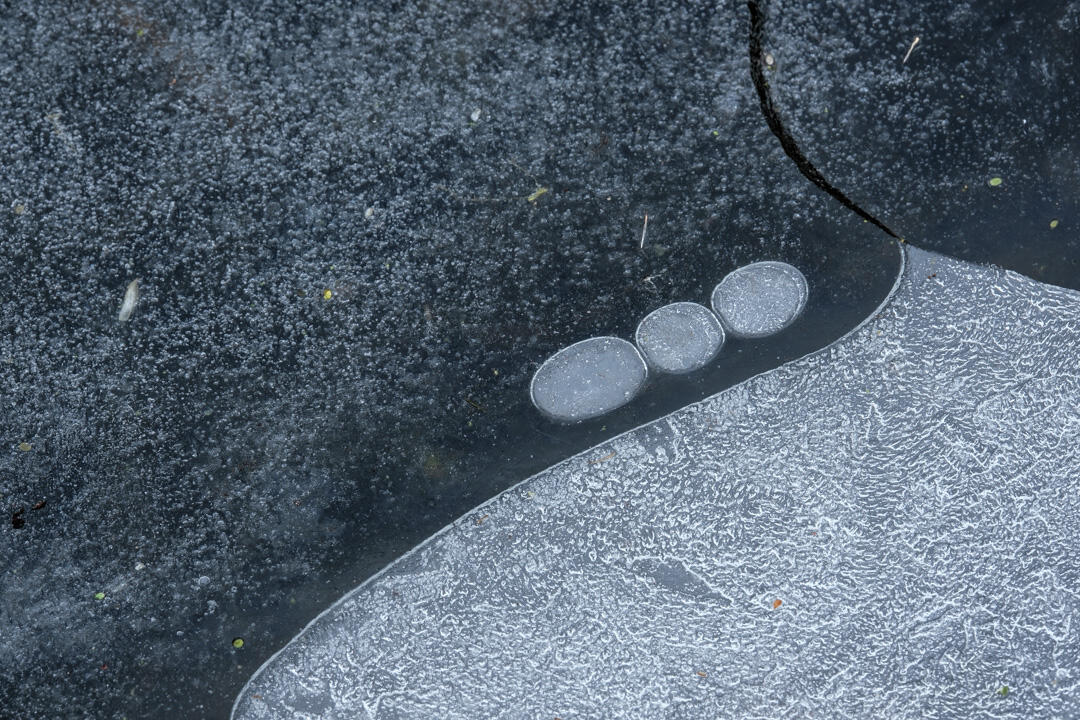
Three Dots
About
I am a landscape and nature photographer who likes to explore the world around me with a camera in hand. I try not to walk past things that catch my eye and work with subjects I find, attempting to discover their relevance to me. Actually, the object in a photograph and the subject of a photograph is an important distinction for me. Sometimes my photographs are about my view of life, metaphors, or simply reflect how I felt on the day.I hope, as a viewer, you will find something that you can relate to in my photographs, that perhaps would otherwise go unnoticed.